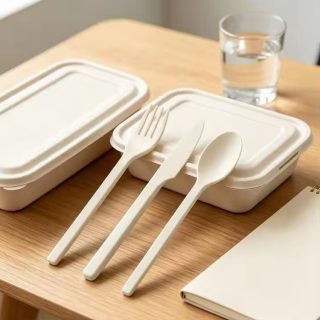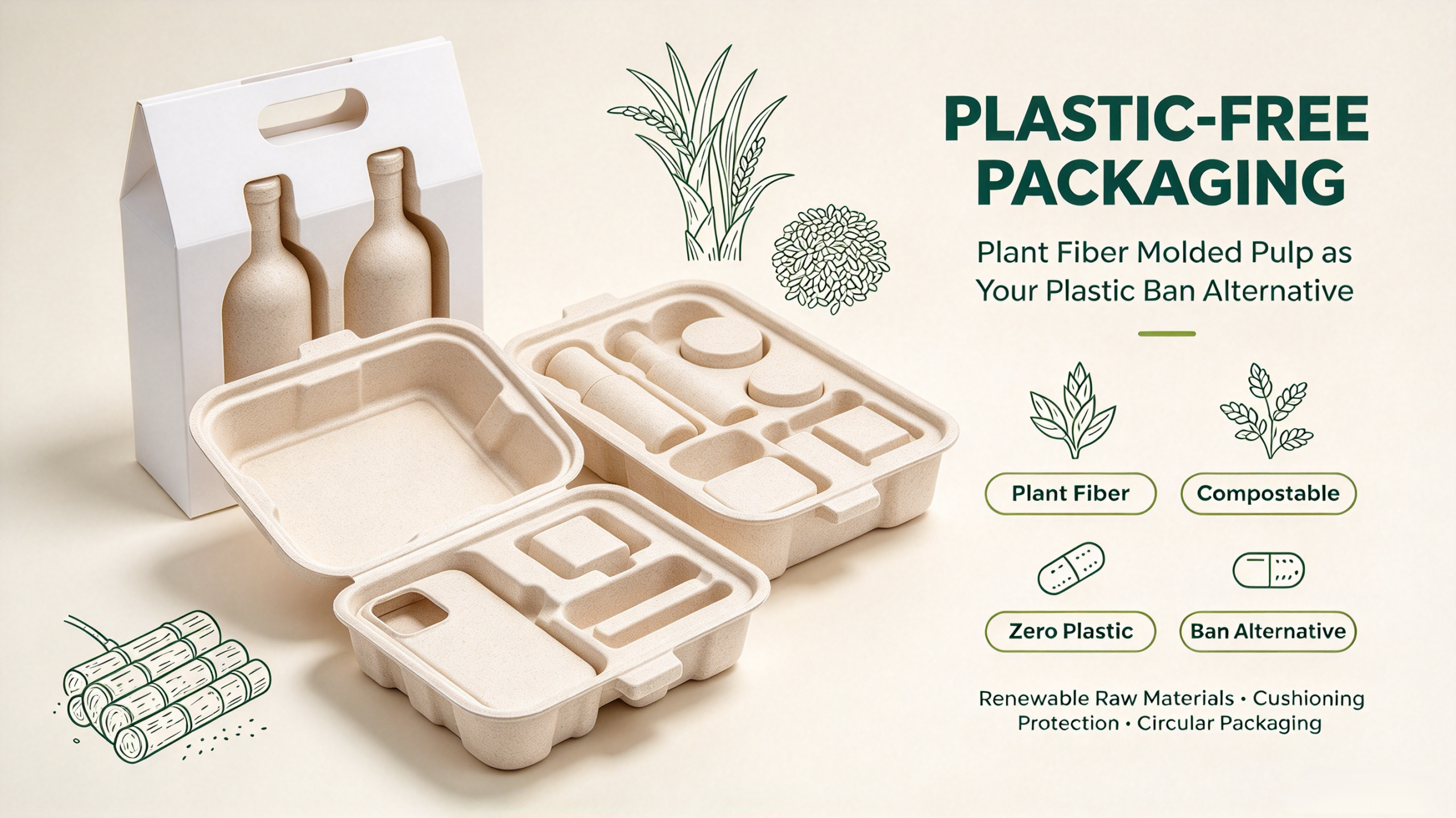
Global plastic regulations are tightening year by year. Extended Producer Responsibility (EPR) rules, plastic taxes and single-use plastic bans are reshaping packaging supply chains across Europe, North America and many other regions. Consumers are also increasingly choosing brands with clear eco-friendly commitments. In this transition, plant fiber molded pulp packaging stands out as a practical, high-performance solution for plastic replacement, zero-plastic packaging and fully compostable packaging needs.
What Is Plant Fiber Molded Pulp?
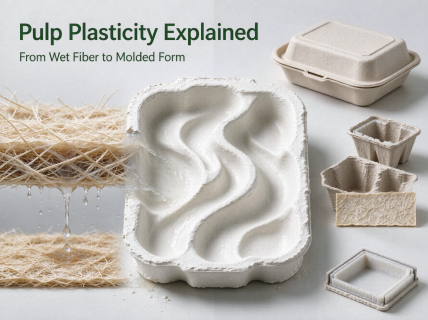
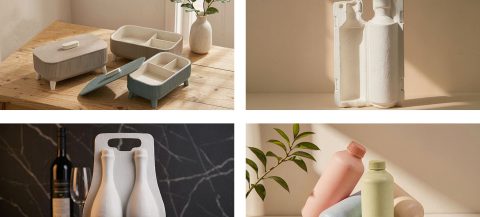
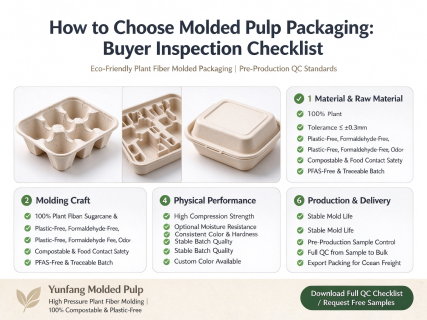
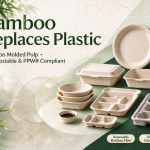
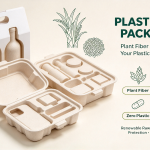
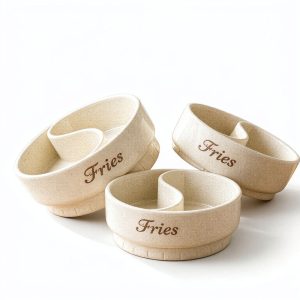
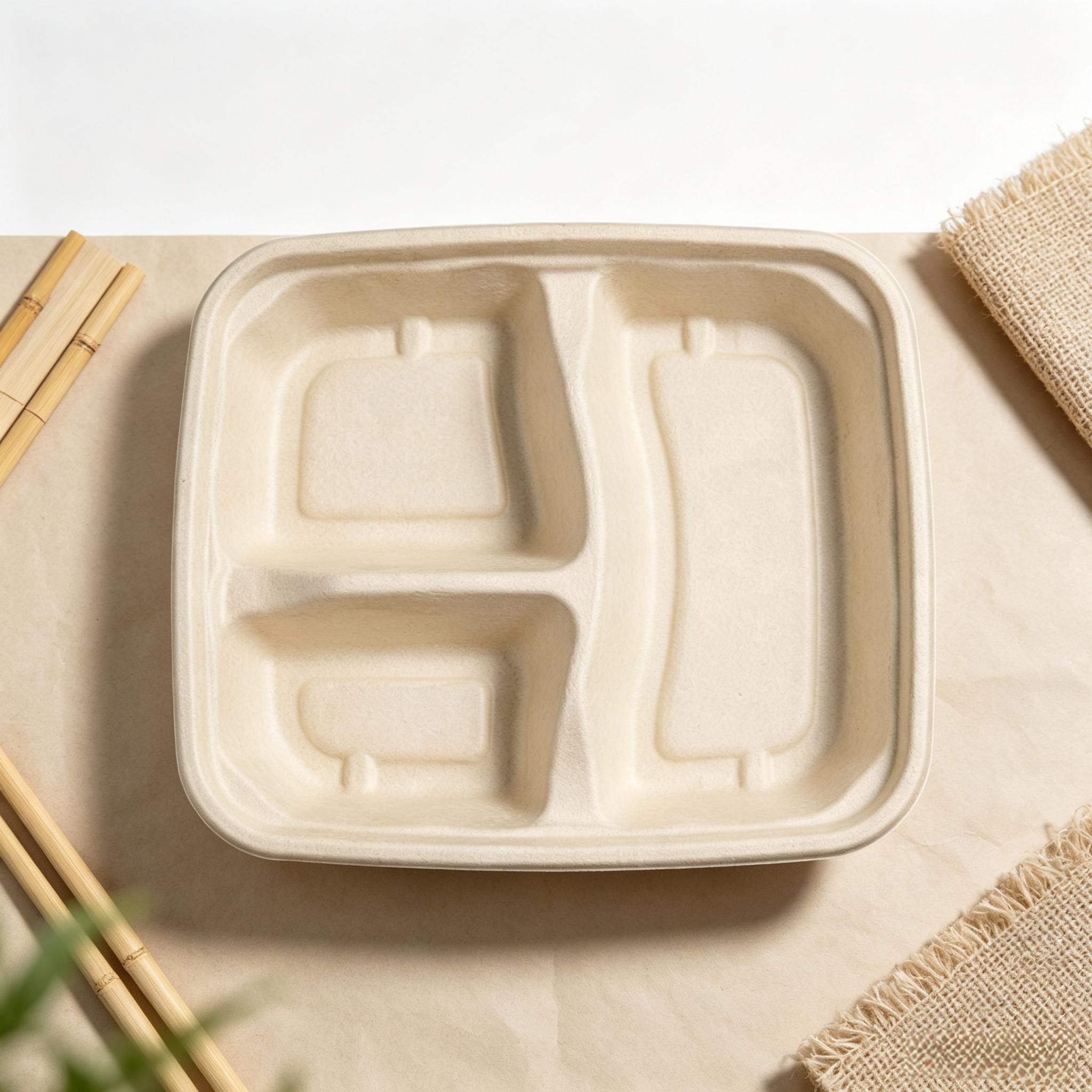
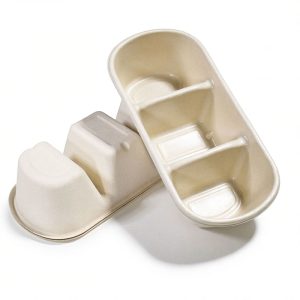
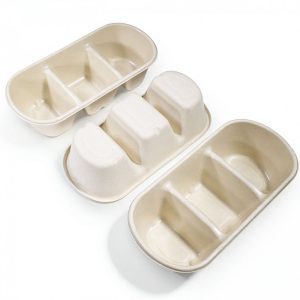
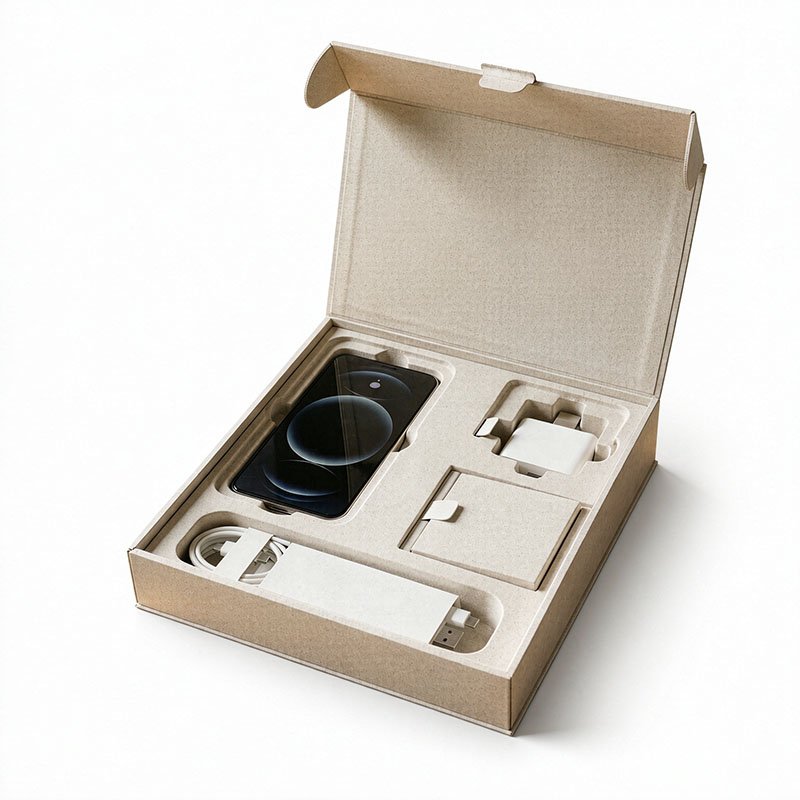
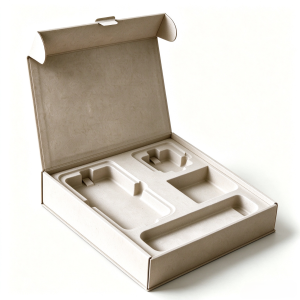
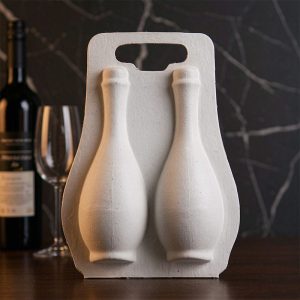
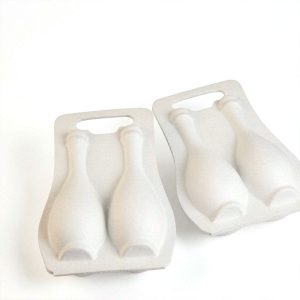
Molded pulp (molded fiber) is manufactured from renewable plant fibers, including sugarcane bagasse, bamboo fiber and recycled paper pulp. Using water-based vacuum molding technology, natural cellulose fibers are formed into custom 3D shapes to perfectly fit your products, such as electronic gift box inserts, cosmetic trays and protective packaging for small home appliances.
Unlike petroleum-based plastic and EPS foam, our molded pulp uses only agricultural waste and recycled plant materials. No plastic resin, no microplastic risk, fully aligning with the core concept of zero-plastic packaging.
Molded Pulp: A Reliable Alternative for Plastic Ban Compliance
Many brands face urgent challenges: phasing out foam inserts, plastic blister trays and single-use plastic packaging to meet regional plastic restrictions.
Plant fiber molded pulp is the proven plastic ban alternative. It delivers shock absorption, cushioning and structural support equal to traditional foam and plastic trays. Custom wet-pressed molded pulp can achieve smooth, precise cavity structures, ideal for high-end electronics, gift sets and delicate consumer products.
Brands switching to molded pulp can avoid plastic tax penalties, reduce compliance risks and satisfy retailer requirements for plastic-free packaging.
Fully Compostable: A True Circular Packaging Lifecycle
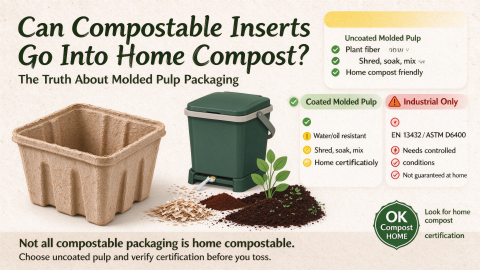
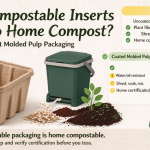
One of the biggest advantages of molded pulp is its certified compostable property. When certified to standards such as EN 13432, BPI or OK Compost, molded pulp packaging will break down into organic humus within 30–90 days under industrial composting conditions, leaving no microplastics or harmful chemical residues behind.
Important note: Industrial compostable packaging requires professional composting facilities. We also offer home compostable grades for special market needs.
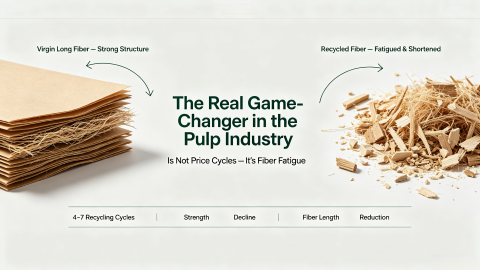
After use, molded pulp can also be recycled in standard paper recycling streams. It creates a closed-loop circular system, far superior to plastic packaging which can persist in landfills for hundreds of years.
Why Brands Choose Zero-Plastic Plant Fiber Packaging
- Strong ESG & Brand Value Zero-plastic packaging tells your sustainability story. Natural fiber texture elevates unboxing experience, appealing to eco-conscious buyers and B2B customers who prioritize sustainable supply chains.
- Precision Customization We develop custom molds according to your product dimensions. Complex multi-cavity inserts (like electronics gift box inner trays) can be produced to hold chargers, cables and accessories neatly. Nestable design saves container shipping and warehouse space.
- Low Carbon Footprint Plant fiber raw materials are renewable agricultural by-products. The whole production process cuts carbon emissions significantly compared with plastic injection molding, helping your brand lower product carbon footprint.
- Wide Application Range Our molded pulp solutions serve electronics, cosmetics, home goods, toys and healthcare packaging. From premium gift box inserts to bulk transit protective trays, we can match your project requirements.
Frequently Asked Questions
Q1: Is molded pulp strong enough to replace plastic foam?
A: Yes. Wet-pressed molded pulp provides excellent cushioning and compression resistance. Many consumer electronics brands replace EPS foam with custom molded pulp inserts for global shipments.
Q2: What compost certifications can you provide?
A: We support EN13432, BPI and OK Compost certification for different markets. Please tell us your target sales region when you inquire.
Q3: Can we make small-batch custom molded pulp?
A: Yes. We support prototype sampling and mass production for custom plant fiber pulp trays and inserts.
Final Thoughts
The global shift away from plastic is irreversible. Choosing plant fiber molded pulp is more than a marketing move — it is a practical packaging upgrade that satisfies regulatory requirements, protects your products, and builds a greener brand image.
If you are searching for zero-plastic, compostable packaging as your plastic ban alternative, contact our team to discuss your custom molded pulp project.