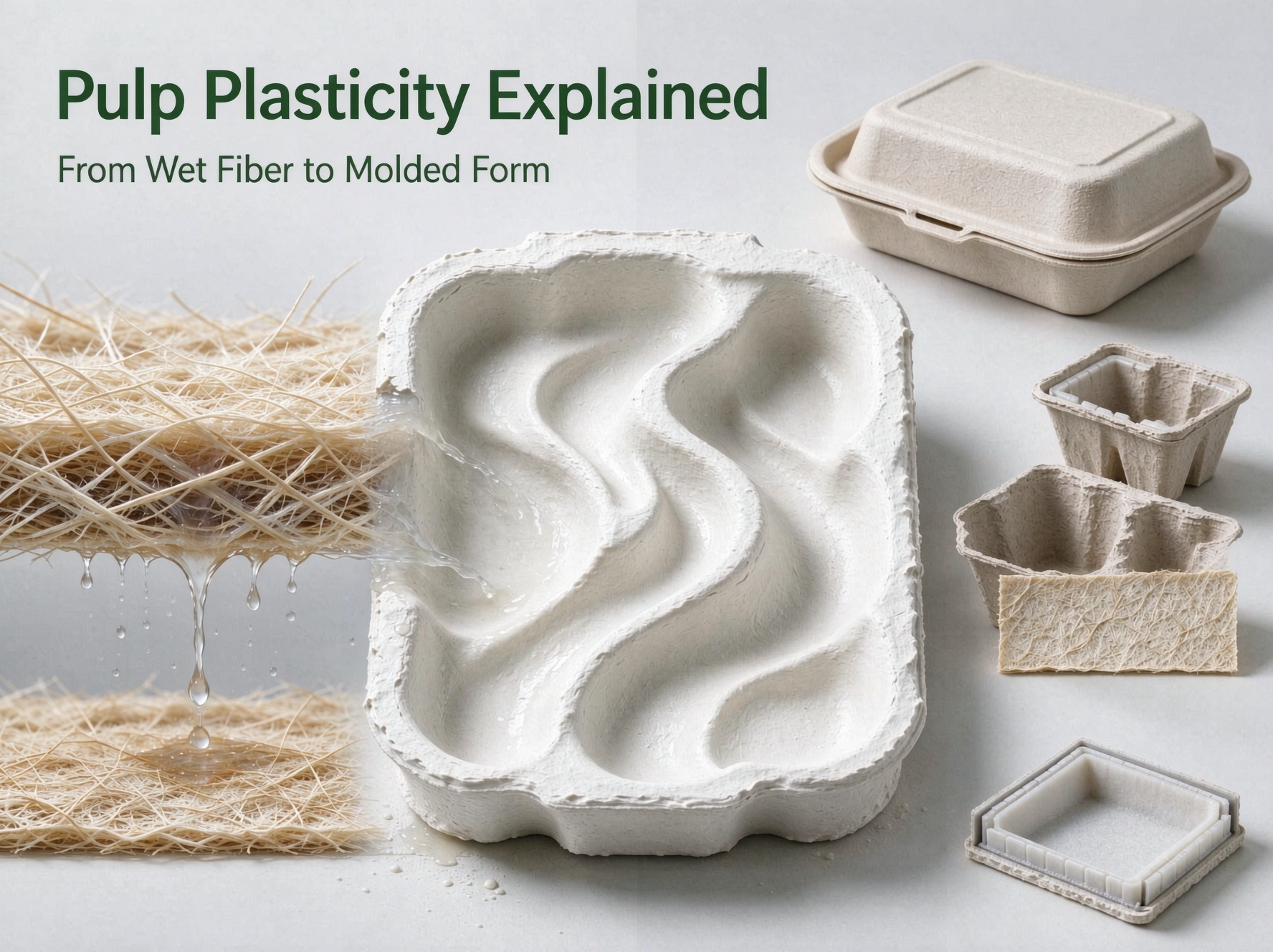
When we talk about eco-friendly packaging, sustainable crafts, and biodegradable industrial solutions, paper pulp plasticity is always the core topic. Most people only know pulp products are recyclable and compostable, but few truly understand how flexible and moldable wet paper pulp can be.
Unlike rigid plastic, brittle cardboard, or hard wood, paper pulp exhibits unique reversible molding capabilities. Its extraordinary plasticity allows it to replace traditional plastic in countless scenarios while maintaining 100% environmental friendliness. In this guide, we will break down how strong paper pulp’s plasticity is, its working principles, performance limits, modified capabilities, and real-world industrial applications.
1. What Is Paper Pulp Plasticity? Core Working Principle
Paper pulp plasticity refers to the unique ability of plant cellulose fibers to deform freely under external force in a wet state, fit any mold shape, and achieve permanent solidification after dehydration and drying. This feature comes from the microscopic structure of cellulose fibers.
In a wet environment, water molecules penetrate and swell cellulose fibers, weakening the intermolecular constraints. The fibers are no longer fixed and rigid but can slide, bend, interweave, and fit tightly with mold surfaces. During the drying process, water evaporates, and stable hydrogen bonds form between fibers, locking the shape permanently without glue or chemical adhesives.
The most distinctive advantage is its reversible plasticity: dried pulp products become rigid and shaped, but once soaked in water, the hydrogen bonds break, and the pulp returns to a soft, moldable state again. This is the fundamental difference between pulp and thermoplastic plastics, clay, and wood materials.
2. How Strong Is Wet Paper Pulp Plasticity? Unlimited Molding Possibilities
Wet paper pulp is the period with the strongest plasticity, comparable to clay and latex, with extremely high shape freedom. It can adapt to almost all conventional and irregular structural designs, covering lightweight thin-walled parts and thick load-bearing components.
2.1 Ultra-high Shape Flexibility
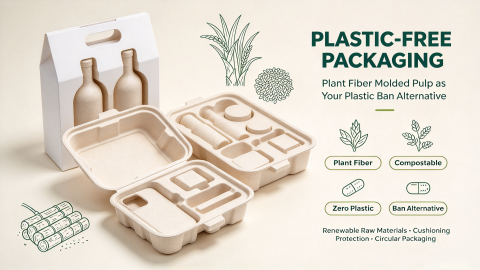
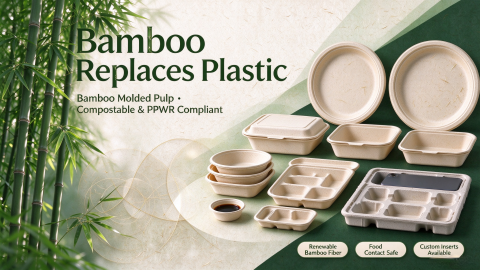
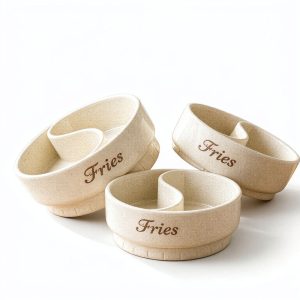
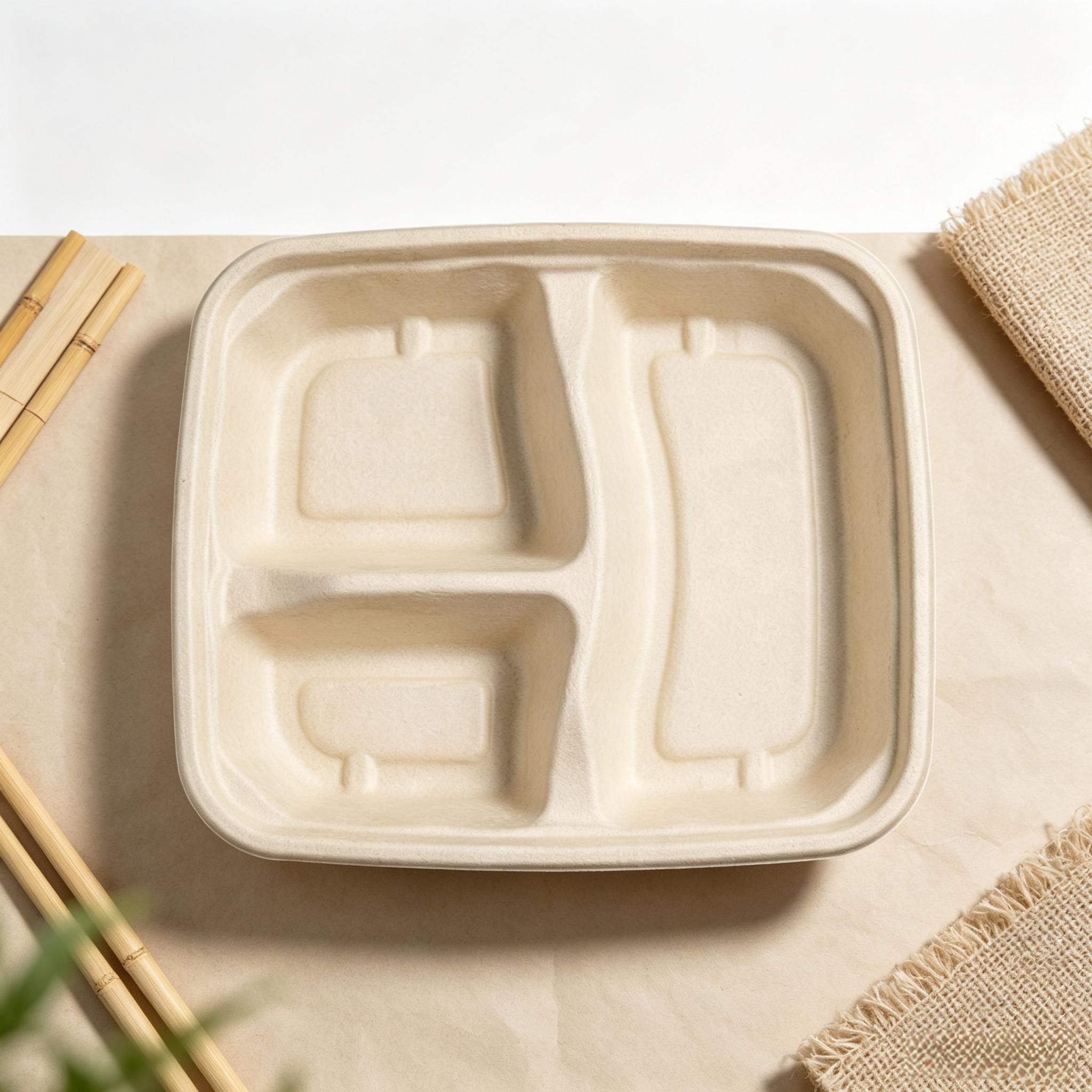
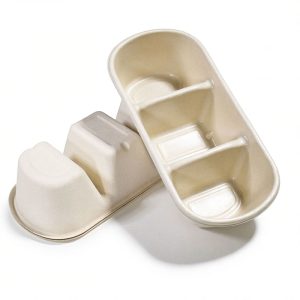
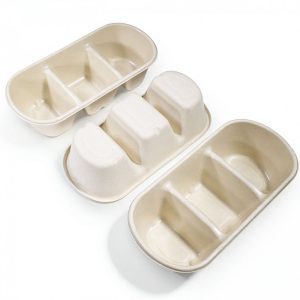
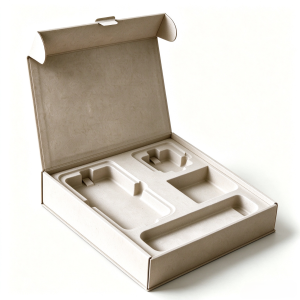
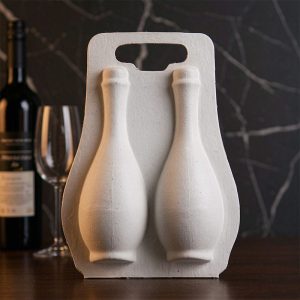
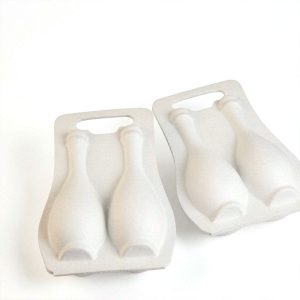
Pulp can be molded into flat panels, curved surfaces, concave-convex structures, hollow designs, reinforced ribs, step structures, and inverted buckles. Common products include egg trays, fruit packaging trays, food lunch boxes, electronic product buffer inner supports, seedling pots, pet supplies, and art sculptures.
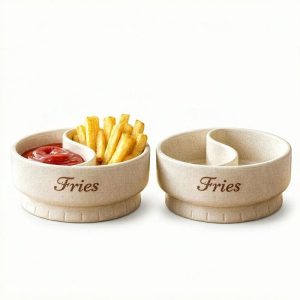
It also supports customized surface textures, embossed logos, and three-dimensional text carving, realizing personalized appearance design while ensuring structural integrity.
2.2 Adjustable Thickness & Uniform Structure
The molding thickness of pulp products is highly flexible, ranging from 0.8mm ultra-thin lightweight liners to 10mm+ thick load-bearing buffer parts. The fiber interweaving structure ensures uniform stress distribution, avoiding local collapse or deformation of thin-walled structures.
2.3 Rich Material Adaptability
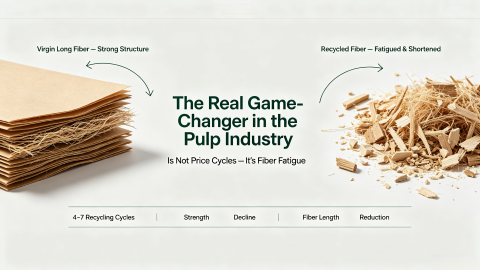
Whether it is virgin wood pulp, bamboo pulp, sugarcane bagasse pulp, or recycled waste paper pulp, all retain excellent plasticity. Different fiber materials only adjust the final hardness and toughness of the finished product without affecting the core molding ability, meeting the low-cost and high-quality needs of different industries.
3. Plasticity Changes After Drying: Fixed Shape & Stable Performance
Once dehydrated and dried, paper pulp’s plasticity changes completely, entering a stable fixed-shape state, which is also the key for pulp products to achieve industrial application.
- Rigid and stable: Dried pulp products have good stiffness and structural stability, resistant to daily extrusion and slight impact, with excellent shockproof and cushioning performance.
- No thermal reshaping: Unlike PP and PE plastics, dried pulp cannot be melted and remolded by heating. Its shape is permanently fixed after drying.
- Limited bending toughness: It can withstand tiny bending and rebound, but excessive force will cause cracking and fracture.
- Reversible recovery: Soak the dried product in water again, the fiber hydrogen bonds will disconnect, and it will restore soft plasticity for secondary molding (repeated wet-dry cycles will slightly reduce fiber strength).
4. Plasticity Upgrade: Modified Pulp Breaks Performance Limits
Through professional formula modification and process optimization, the inherent plasticity of paper pulp can be further expanded to adapt to more extreme application scenarios without losing environmental protection attributes.
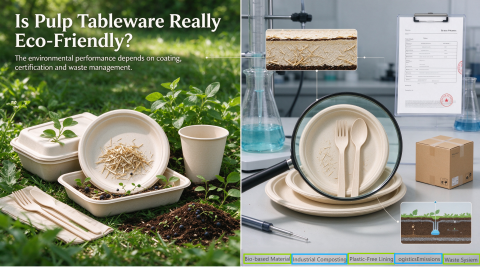
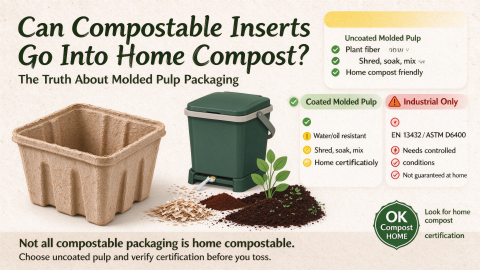
- Waterproof and oil-proof treatment: Surface sizing and biological coating technology enhance water and oil resistance, solving the defect of easy softening when encountering water, suitable for food packaging and catering supplies.
- Toughness and hardness enhancement: Add environmentally friendly auxiliaries and optimize beating technology to increase fiber bonding density, making hard pulp products more wear-resistant and pressure-resistant, and soft pulp products more flexible and crack-resistant.
- Multi-fiber composite molding: Mix long and short fibers to balance molding flexibility and structural strength, meeting the precision molding needs of complex irregular parts.
5. Real Industrial Limitations of Pulp Plasticity (Honest Guide)
Although paper pulp has extremely strong plasticity, it still has certain limitations in mass production, which are key points for product design and mold development:
- No sharp corners: Fiber rebound is inevitable during molding, and the minimum rounded corner of the product needs to be reserved above 0.5mm; ultra-sharp right-angle structures cannot be stably formed.
- Drying shrinkage rate: Pulp products will shrink 3%–8% after drying. Large-area flat products are prone to slight warping, which needs to be controlled by mold process optimization.
- Precision tolerance: The dimensional accuracy of pulp molding is lower than that of plastic injection molding, suitable for buffer protection and daily products, not for ultra-precision industrial parts.
- Deep cavity demolding: Too deep and slender thin-walled structures are prone to collapse and deformation during demolding, requiring professional mold structural design.
6. Pulp vs Plastic vs Clay: Intuitive Plasticity Comparison
| Plasticity Characteristics | Secondary Molding | Environmental Friendliness | |
|---|---|---|---|
| Wet Paper Pulp | Free molding at room temperature, high flexibility, natural solidification after drying | Reshapable after soaking in water | 100% biodegradable & compostable |
| Thermoplastic (PP/PE) | Hot melt molding, high precision, stable shape | Remoldable by reheating | Non-biodegradable, easy to cause pollution |
| Clay | High wet-state plasticity, arbitrary shaping | Brittle after firing, cannot be remolded | Natural and environmentally friendly, but heavy |
7. Wide Applications of High-Plasticity Pulp Products
Benefiting from its excellent plasticity and eco-friendly advantages, pulp molding products have replaced traditional plastic products in multiple global industries:
- Eco-packaging: Fruit trays, egg boxes, gift inner trays, electronic product buffer packaging, fully replacing plastic foam
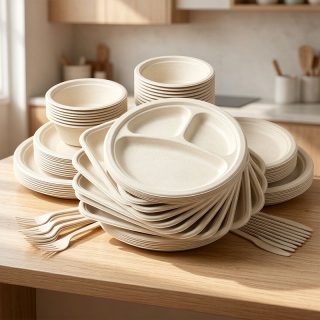
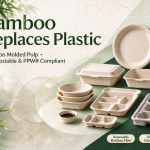
- Catering Supplies: Disposable pulp lunch boxes, bowls, and plates, waterproof and oil-proof, suitable for takeaway and catering scenarios
- Agricultural Planting: Degradable seedling pots, flower pots, integrated planting and transplanting, no need to remove pots
- Home & Crafts: Pet supplies, pulp art sculptures, decorative reliefs, lightweight and environmentally friendly
- Industrial Protection: Customized buffer liners for precision instruments, hardware, and glass products
Final Verdict: How Strong Is Paper Pulp’s Plasticity?
Wet paper pulp has near-limitless plasticity. It can fit almost all conventional and complex mold structures, with adjustable thickness, customizable texture, and flexible molding. After drying, it is solid, stable, and pressure-resistant, and can be reshaped after rewetting, which is an irreplaceable advantage of plastic, cardboard, and clay.
With the global plastic restriction trend, high-plasticity, low-cost, and fully biodegradable pulp materials have become the core sustainable solution for packaging, industry, and daily necessities. Its unique reversible molding ability and environmental protection properties make it the best alternative to traditional non-degradable materials.
FAQ About Paper Pulp Plasticity
Q1: Can all paper pulp be molded freely? A: Yes. Virgin pulp, recycled pulp, and plant fiber pulp all have good plasticity. Different pulps only differ in finished product strength and toughness, with no difference in basic molding ability.
Q2: Are pulp products reusable? A: Dried pulp products can be used repeatedly. After scrapping, they can be soaked and repulped for secondary production, achieving 100% resource recycling.
Q3: Is pulp plasticity suitable for mass production? A: Absolutely. Mature pulp molding technology supports fully automated mass production, with stable product consistency and low comprehensive cost, suitable for large-scale industrial customization.